Solar Street Light Manufacturer Long-Term Partnership: A Distributor's Guide to Supply Stability, OEM Flexibility, and Service Life
Distributors and municipal project buyers often evaluate a solar street light manufacturer using a single request for quotation. That approach can miss the factors that determine whether a supplier remains reliable across multiple seasons, repeat orders, and multi-year infrastructure contracts. Long-term supply stability depends on production capacity, product consistency, battery safety design, and OEM flexibility—not just whether the initial sample performs well.
This guide is written for distributors, importers, and infrastructure buyers evaluating a solar street light manufacturer as a long-term partner. It uses Cmoonlight (Shenzhen Moonlight Technology Co., Ltd.) as one example of a manufacturer with documented factory-level data, while also explaining the evaluation framework you should apply to any supplier.
Why Long-Term Supplier Evaluation Differs from Single-Order Evaluation
Single-order evaluation focuses on price, lead time, and whether one product works. Long-term evaluation has a different risk profile. The critical questions are: Can the factory maintain the same quality across repeated production runs? Can it absorb demand fluctuations? Can it support customs, certificates, and documentation for each shipment? Does it have engineering capacity to adapt products as project specifications change?
Solar street lighting is not a standardized commodity in the same way as a basic LED bulb. A municipal project may require a specific light distribution, a particular mounting height, or a controller setting that supports both energy saving and surveillance lighting schedules. A partner manufacturer must be able to adjust without redesigning the entire product from scratch.
For distributors, a weak supplier creates hidden costs: rejected shipments, inconsistent spare parts, warranty claims that cannot be fulfilled, and reputational damage with government or engineering clients. These costs usually exceed the price difference between a low-cost manufacturer and a more capable one.
Factory Capacity as a Supply-Stability Signal
A manufacturer's ability to serve long-term programs depends on physical capacity and repeatable production processes. Several documented facts about Cmoonlight illustrate the kind of evidence you should request from any candidate.
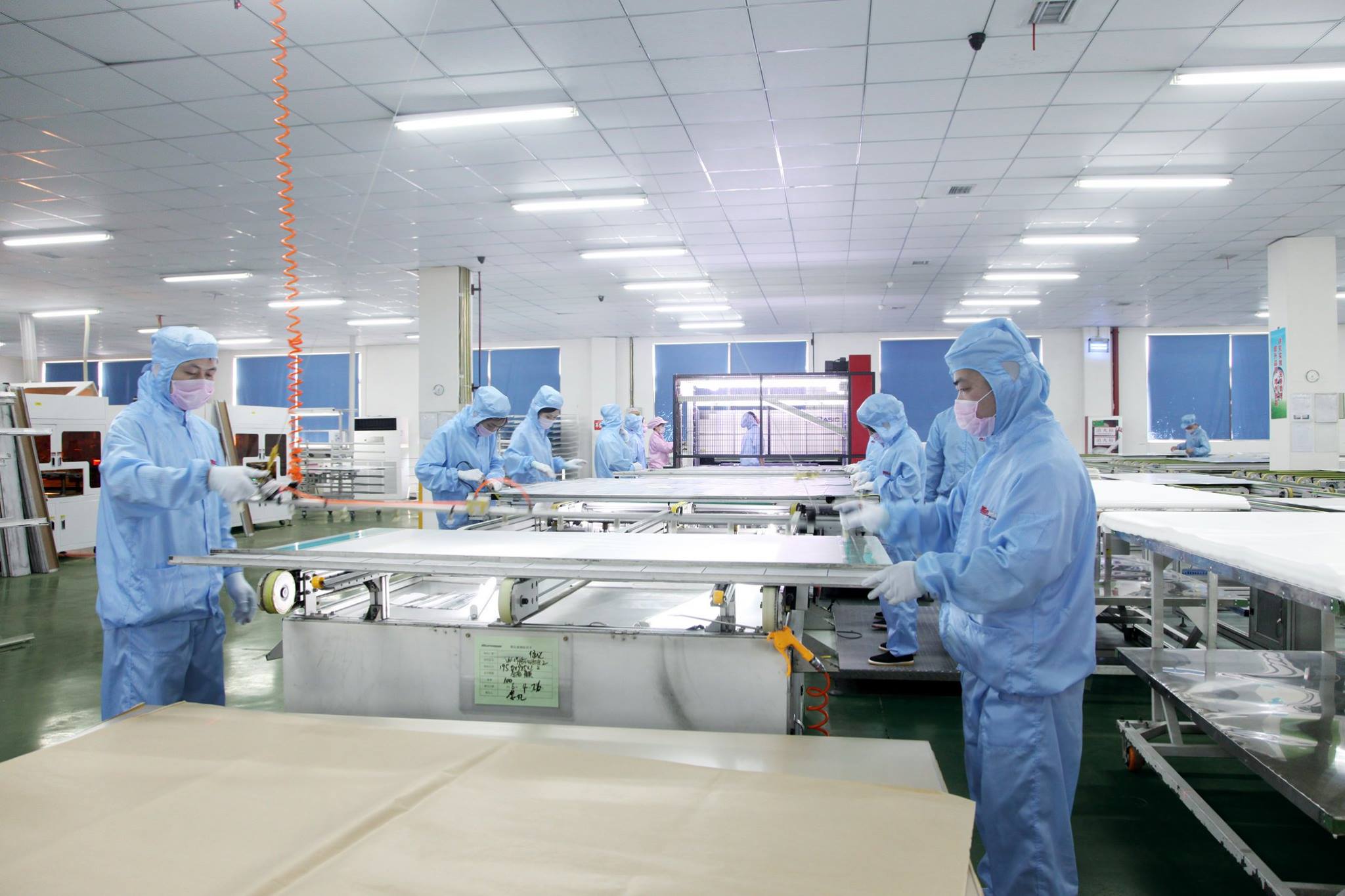
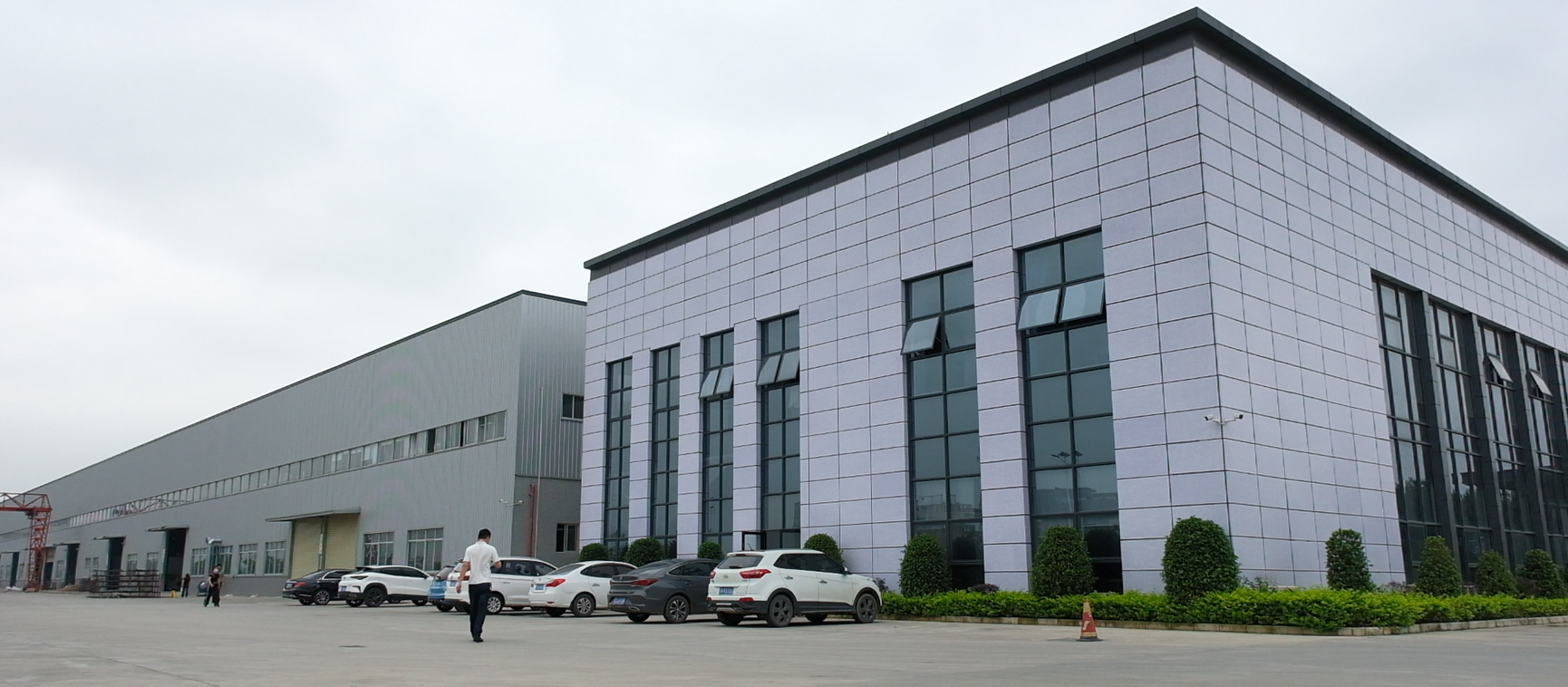
Cmoonlight's manufacturing facility covers 20,000 square meters. The company reports a monthly production capacity of 8,000 units. These figures matter in two ways. First, they indicate that the factory is not a small assembly workshop limited to occasional batch production. Second, they provide a baseline for capacity planning: a distributor can estimate whether a repeat order of several hundred units can be produced within a reasonable window alongside other orders.
The company was established in 2010 and currently employs 245 people, including 25 R&D engineers. Its annual output is reported at 120,000 units. Export accounts for 100% of its business, with main markets including the Philippines, South America, Thailand, Malaysia, the Middle East, and Africa. For a distributor, an export-focused factory is often preferable because its documentation, packaging, and payment processes are already aligned with cross-border trade.
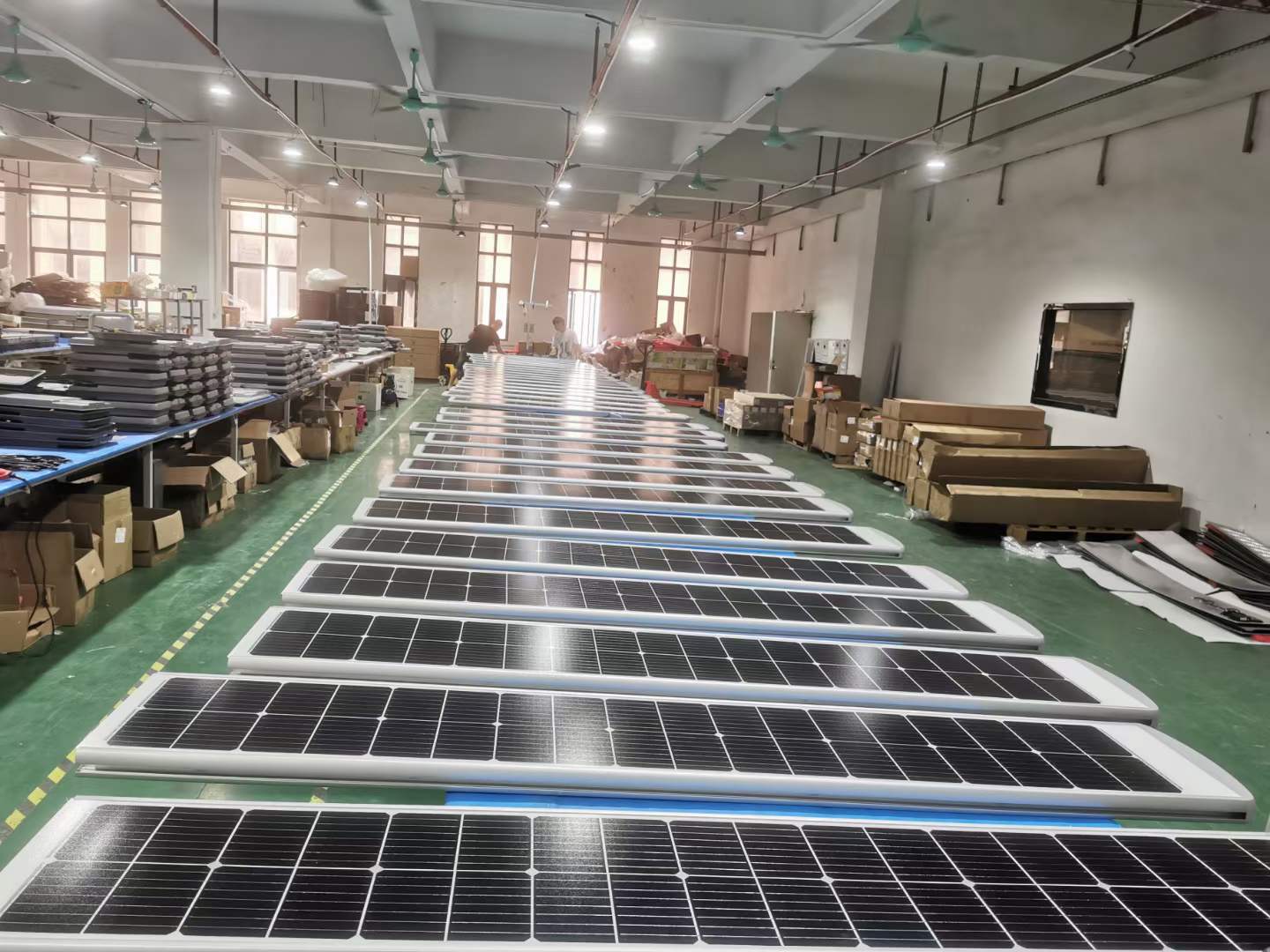
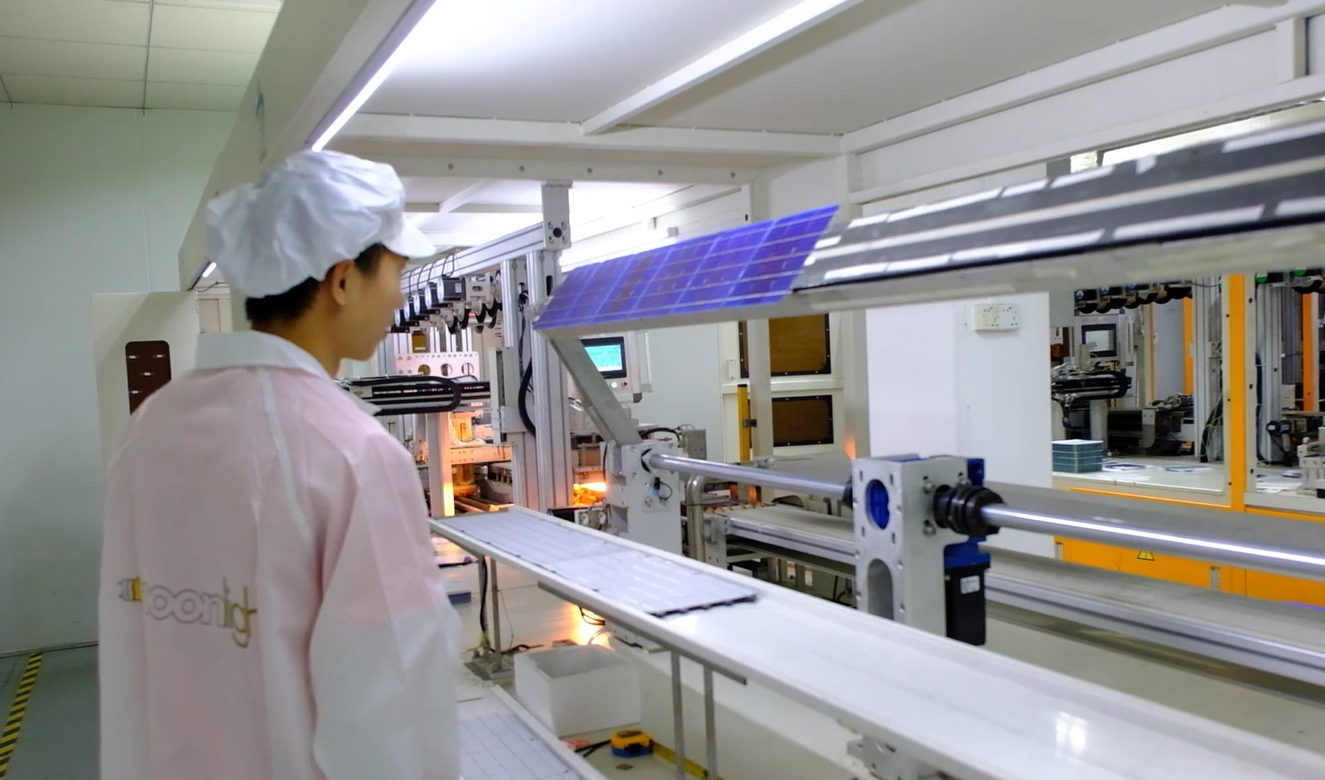
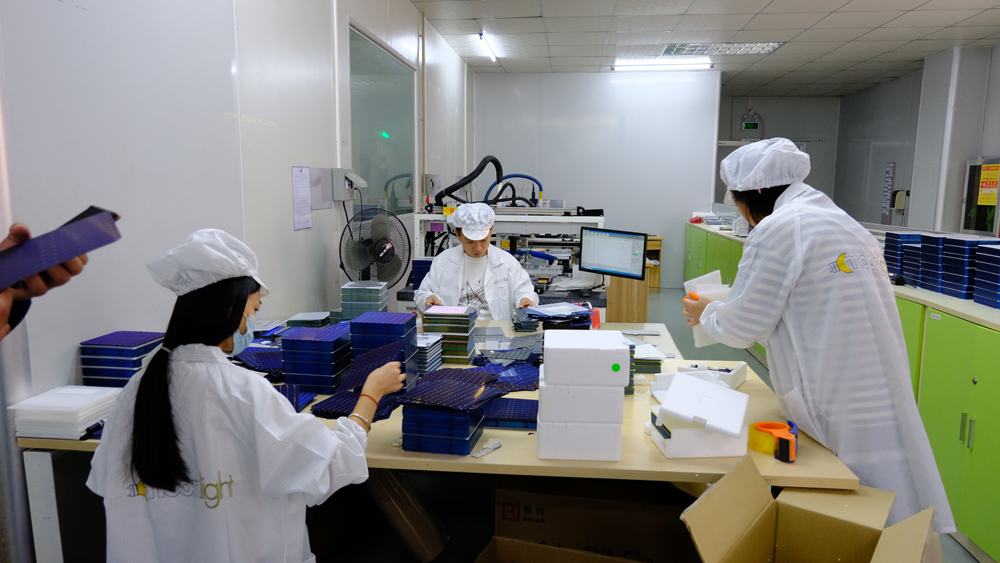
Production capacity alone is not sufficient. You should also assess whether the manufacturer controls key production steps or relies heavily on outsourced parts. In Cmoonlight's case, the company reports in-house operations including a solar panel production line, a battery production workshop, and a lamp post production workshop. This vertical integration gives it more control over quality and delivery compared to a trader that assembles components from multiple external suppliers.
Service Life and Total Cost of Ownership
For distributors and contractors, the life of a solar street light determines warranty cost, after-sales burden, and customer satisfaction. A light that fails after one year forces the distributor to replace it under warranty or lose credibility with the project owner.
Cmoonlight states that its lamps are designed to last at least 15 years, with 90% less maintenance required under its quality assumptions. This claim is supported by specific component choices described in its product data: 5050 Cree or Philips LED chips with 200 lm/W luminous efficacy, LiFePO4 lithium batteries, and MPPT solar controllers. The ST series, for example, uses a 12V15A MPPT controller and LiFePO4 batteries across models from 40W to 150W. The Palm Tree series also uses LiFePO4 batteries with MPPT control.
Service life is not just about component grade. It is also about thermal and structural design. Cmoonlight's comparison data states that its Palm Tree foldable integrated design keeps internal temperature about 10 degrees Celsius lower than conventional lights. Lower operating temperature is directly relevant to battery and LED longevity.
Battery Safety Design: A Key Long-Term Risk Factor
Battery failure is one of the most common causes of early solar street light failure. In hot climates, the problem is worse.
A documented risk pattern in the solar street lighting industry is battery overheating in conventional all-in-one models. When the battery is attached directly to the solar panel, it can be exposed to panel temperatures of up to 90 degrees Celsius in summer. Even a LiFePO4 lithium battery may tolerate only about 65 degrees Celsius. In regions such as Africa and the Middle East, this design has been associated with high failure rates.
Cmoonlight's solution is to isolate the battery from the hot solar panel. In its series products, the battery and solar panel are structurally separated. The Palm Tree series and ST series both use this separation approach. The company also reports real-time battery monitoring and a regular maintenance service as enterprise-level measures.
For a distributor planning to sell into tropical or desert markets, this design detail can be as important as the panel wattage or LED power.
Product Portfolio Coverage for a Multi-Project Distributor
Long-term distributors usually serve more than one market segment. A municipal road project may need integrated solar street lights; a highway service area may need high-brightness models with wide spacing; a rural road program may need a cost-efficient integrated unit; a surveillance project may need a solar CCTV camera.
Cmoonlight's portfolio includes all-in-one/integrated solar street lights, split solar street lights, all-in-two solar street lights, auto-cleaning solar street lights, solar garden lights, vertical solar wrapped light poles, smart solar street lights, hybrid solar street lights, LED street lights, LED high-bay lights, and LED flood lights. It also offers 4G solar CCTV cameras.
This range allows a distributor to consolidate sourcing rather than managing multiple vendors for different project types. The relevant product families include:
- Palm Tree series (foldable all-in-one): ML-PALM-40, ML-PALM-64, ML-PALM-100, ML-PALM-120. Double-sided solar panels, foldable structure, LiFePO4 battery, MPPT controller, 200 lm/W LED chips. Recommended mounting heights range from 4 m to 12 m depending on model.
- ST series (adjustable all-in-one): ML-ST-40 through ML-ST-200. Designed for municipal and road lighting with mounting heights from 4–5 m up to 9–10 m.
- Auto-clean series: ML-CL-60, ML-CL-80, ML-CL-100. These include an auto-clean system for the solar panel, relevant for dusty or high-pollution environments.
- All-in-two / split series: ML-12000LM, ML-16000LM, ML-Split-120, ML-Split-200. Suitable when the solar panel must be installed separately from the luminaire.
- LED street lights: XG series, XH series, and Economic series for grid-powered or hybrid applications.
For a distributor entering a new geographic market, the ability to order different product families from one certified manufacturer reduces qualification time and simplifies spare parts stocking.
OEM and Customization Capability
Many long-term distribution agreements require OEM support: branding, color temperature adjustments, mounting accessories, and documentation. Cmoonlight explicitly supports OEM services. Its product data shows customization options such as CCT from 3500K to 6000K (or 3000K to 6000K on certain models), which is a practical example of how a standard product can be adapted to regional preference.
The company's R&D team of 25 engineers and its stated history of developing a foldable all-in-one solar street light indicate in-house mechanical and electronic design capability. For a distributor, this means that requests like a custom pole bracket, a different sensor configuration, or a specialized cable length do not necessarily require a completely new product development cycle.
During the evaluation process, you should specifically ask: What is the minimum order quantity for customized branding? Which certifications are available for the target market? How many engineering change requests can be handled per quarter? Can the factory provide pre-shipment test reports for customized units?
A Practical Checklist for Evaluating a Solar Street Light Manufacturer for Long-Term Partnership
Use the following checklist when comparing manufacturers. These are decision criteria that a distributor or project buyer can verify through factory documentation, samples, and reference conversations.
| Evaluation Category | Key Questions | Evidence to Request |
|---|---|---|
| Supply stability | Can the factory handle repeat orders and seasonal peaks? | Factory area, monthly output, number of production lines |
| Quality consistency | Are key components controlled in-house or outsourced? | Workshop photos, supplier list, QC process documents |
| Battery safety | Is the battery isolated from the solar panel to reduce heat exposure? | Structural diagrams, thermal test data |
| Service life | What LED efficacy, battery chemistry, and controller type are used? | Component datasheets, warranty policy |
| OEM flexibility | Can branding, CCT, and accessories be customized? | OEM agreement terms, R&D headcount |
| Procurement terms | What are the MOQ, payment terms, and delivery methods? | Quotation with EXW/FOB/CIF options, pre-shipment test policy |
Cmoonlight's standard procurement terms include a minimum order quantity of 50 units, delivery under EXW, FOB, or CIF, pre-shipment testing, and payment by 30% deposit T/T with 70% balance T/T. These are practical details you should compare against your own cash flow and logistics constraints.
Use Cases: Matching Manufacturer Capability to Real Projects
Municipal Main Road Projects
Municipal main roads usually require consistent illumination over long distances, with mounting heights around 8–10 m and pole spacing up to 30–35 m. Models like the ML-ST-120 or ML-ST-150 are relevant for this application. The ST series supports both time-based dimming (for example, 100% for 4 hours, 70% for 4 hours, then 30% for 4 hours) and microwave sensor control, which can reduce energy consumption during low-traffic periods.
Rural Road and Village Lighting
Rural projects often have tighter budgets and require simpler installation. Integrated models such as the ML-ST-40 or ML-PALM-40 are designed for lower mounting heights (4–5 m or 4 m respectively) with spacing of 12–15 m. The foldable Palm Tree design also reduces transportation volume, which can be relevant for remote logistics.
Highway Service Areas
Highway service areas need reliable lighting over large paved zones. Auto-clean models such as the ML-CL-80 or ML-CL-100 reduce the impact of dust accumulation on solar panel output, which is particularly valuable in arid or high-pollution regions.
Road Construction and Temporary Infrastructure
For temporary road construction sites, quick deployment matters. All-in-two or split models allow the solar panel to be placed away from the luminaire, which may be advantageous when the installation point is shaded or mechanically constrained.
Certification and Compliance Considerations for Long-Term Distribution
Solar street lights are subject to international safety and performance standards. Verified references include IEC 61215 for PV module design qualification, IEC 61730 for PV module safety, and UL 8801 for photovoltaic luminaire systems in North America. A manufacturer's certification portfolio affects how quickly a distributor can register a product in a target country and whether local utilities or government agencies accept it.
Cmoonlight lists certifications on several product models, including CB, CE, IK10, FCC, IP67, SGS, COC, and NSS for the Palm Tree series, and CE, ROHS, and IP65 for the ML-12000LM/ML-16000LM all-in-two models. This does not guarantee that every model holds every certification, so you should request certificates for the specific model and target market before placing a repeat order.
Comparison of Supplier Evaluation Focus: Transactional vs. Long-Term
| Dimension | Single-Order Evaluation | Long-Term Partnership Evaluation |
|---|---|---|
| Price | Primary decision factor | Important but weighed against warranty and failure cost |
| Production capacity | Seldom verified | Critical for supply continuity |
| Battery design | May be ignored | Critical for hot-climate reliability |
| OEM support | Usually not required | Needed for branding and project-specific adaptation |
| Certifications | Sample-level check | Market-entry and re-order compliance |
This comparison reflects industry sourcing practice and is not a claim about any specific competing manufacturer.
Frequently Asked Questions
What certifications should a long-term solar street light supplier hold?
Verifiable international reference points include IEC 61215 and IEC 61730 for PV module qualification and safety, and UL 8801 for PV luminaire systems in North America. Beyond these, a distributor should request certificates that apply to the specific model and destination market. Cmoonlight lists certifications such as CB, CE, IK10, FCC, IP67, SGS, COC, and NSS on its Palm Tree series, and CE, ROHS, and IP65 on certain all-in-two models. Always verify that the certificate covers the exact model you intend to import.
Can a manufacturer with a 20,000 m² factory and 8,000 monthly capacity support a long-term distribution program?
These figures indicate a production scale that can generally handle repeat orders of several hundred to thousands of units per year, but actual suitability depends on how many other orders are in the production queue. Cmoonlight reports a facility of 20,000 square meters, 245 employees, and a monthly capacity of 8,000 units. A distributor should ask for a production schedule and lead-time commitment before signing a framework agreement.
What battery design reduces the risk of early failure in hot climates?
Isolating the battery from the solar panel is a key design measure. In conventional all-in-one lights, the battery can be attached near the solar panel, which may reach about 90 degrees Celsius in summer; LiFePO4 batteries typically tolerate only about 65 degrees Celsius. Cmoonlight separates the battery from the solar panel in its integrated series and also reports real-time battery monitoring. For Middle East and Africa projects, this type of design should be a priority.
Does Cmoonlight support OEM customization and what is the order process?
Cmoonlight states that it supports OEM services. Its standard terms include a minimum order quantity of 50 units, payment by 30% deposit T/T and 70% balance T/T, delivery under EXW, FOB, or CIF, and pre-shipment testing. To start a custom project, contact the company with your target model, desired CCT, branding requirements, and destination market to confirm lead time and documentation.
How does a distributor integrate a new solar street light supplier into a municipal project pipeline?
Start with a pilot order of 50–100 units for one project segment. Verify the pre-shipment test report, check the certificate list against local requirements, and keep a sample for bench testing. After the first installation, record actual charging and backup performance over several months. For Cmoonlight, you can request a quote or sample through the contact options on this page to begin that validation process.
Conclusion
Sustainable distribution relationships depend on a manufacturer's ability to deliver consistent quality beyond one shipment. Evaluate factory size, monthly capacity, vertical integration, battery safety architecture, component quality, OEM flexibility, and certification coverage before committing.
For distributors and infrastructure buyers building a long-term supplier base, verified facts like Cmoonlight's 20,000 m² facility, 8,000-unit monthly capacity, and 15-year design life targets provide a useful starting point. Use the checklist in this article to create your own supplier scorecard, and request product samples, certificate copies, and pre-shipment test documentation before signing a framework agreement.
Have Questions or Need More Details?
Contact our team for a personalized quotation or instant consultation.
Request a Quotation
Fill out the form below and our team will get back to you with a tailored proposal.
WhatsApp Direct Chat
Prefer to chat in real-time? Message us on WhatsApp for instant assistance & quick answers.
- Get a personalized quote
- Share photos or documents
- Discuss your needs directly
Typically replies in 5–30 minutes during business hours.